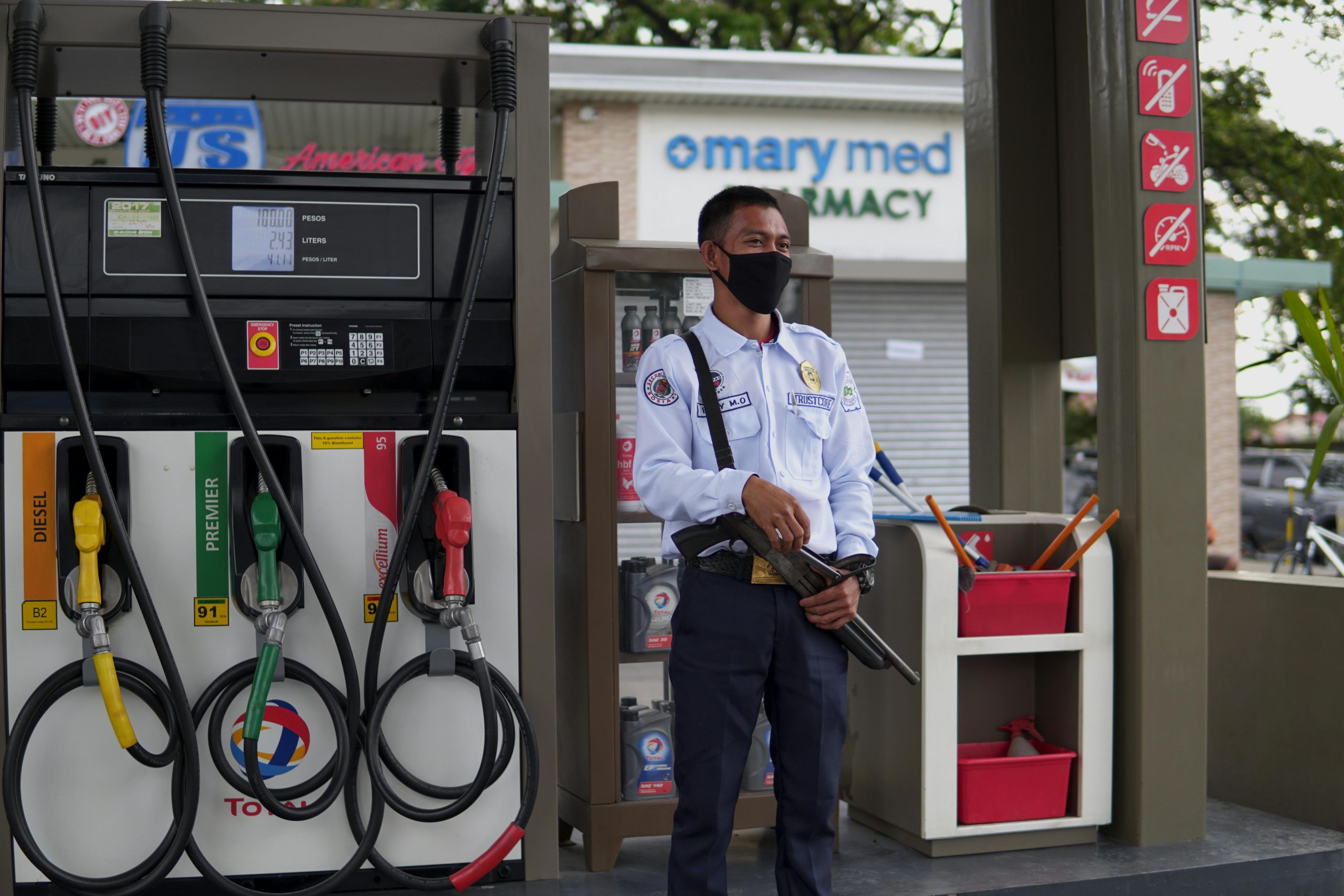


Ever stood at the fuel pump, saw the “super” or “ultimate” label, and wondered if it’s secretly better for your car, or just a scam? You’re not alone.
What Actually Is Premium Petrol?
In the UK, regular unleaded usually has an octane rating of 95 RON, while premium or super unleaded ranges from 97 to 99 RON.
Octane rating matters because it measures how resistant the fuel is to “knocking”, an engine issue caused when fuel combusts too early.
Cars with high-performance or turbocharged engines are designed to run best on higher-octane petrol, as it allows them to use advanced timing and higher compression safely.
For most standard petrol cars, though, 95 RON is absolutely fine. Your engine management system automatically adjusts to prevent knocking, meaning you won’t gain much, if anything, by filling up with premium.
Does Premium Fuel Improve MPG or Power?
Here’s the honest answer: usually not noticeably.
Independent tests, including those from What Car? and AA, have shown that while premium petrol can improve performance in engines that require it, it rarely boosts power or economy in everyday cars.
Any MPG improvement is often less than 2%, not enough to offset the 10–15p per litre price difference.
But if you rely mainly on public chargers, the cost advantage can shrink fast.
When It Might Be Worth It
- You drive a performance or sports car. Check your owner’s manual, if it requires 98 RON, use it.
- Your car is knocking or running rough. Premium fuel can help clean injectors and stabilise combustion.
- You’re on a long motorway trip. Some drivers notice slightly smoother running on premium blends during high-load driving.
But for daily city driving in a 1.0L or 1.6L engine? You’ll see no real-world benefit.
The Bottom Line
If your car doesn’t specify premium petrol, stick to regular unleaded, and put the savings toward your next fill-up.
Want to see how much you’re actually spending per mile?
Use our free Fuel Cost Calculator to check how much running cost is.